If you’ve ever stared at the dish soap aisle and wondered whether a solid bar, a dissolving tablet, or a plant-based liquid actually cleans as well as the conventional stuff — you’re not overthinking it. These are genuinely different formats with different chemistry, different cost structures, and different failure modes. “Zero-waste” here means formats designed to cut single-use plastic: bars come in paper or cardboard, tablets ship in compostable pouches, and concentrated liquids ship in bulk to reduce the ratio of plastic to actual soap. This article breaks down the three main formats side by side, runs the cost-per-use numbers, and ends with a clear decision frame so you can match the format to your situation — whether you’re a household trying to reduce plastic waste or a small cleaning operation evaluating chemistry for a residential-to-commercial crossover.
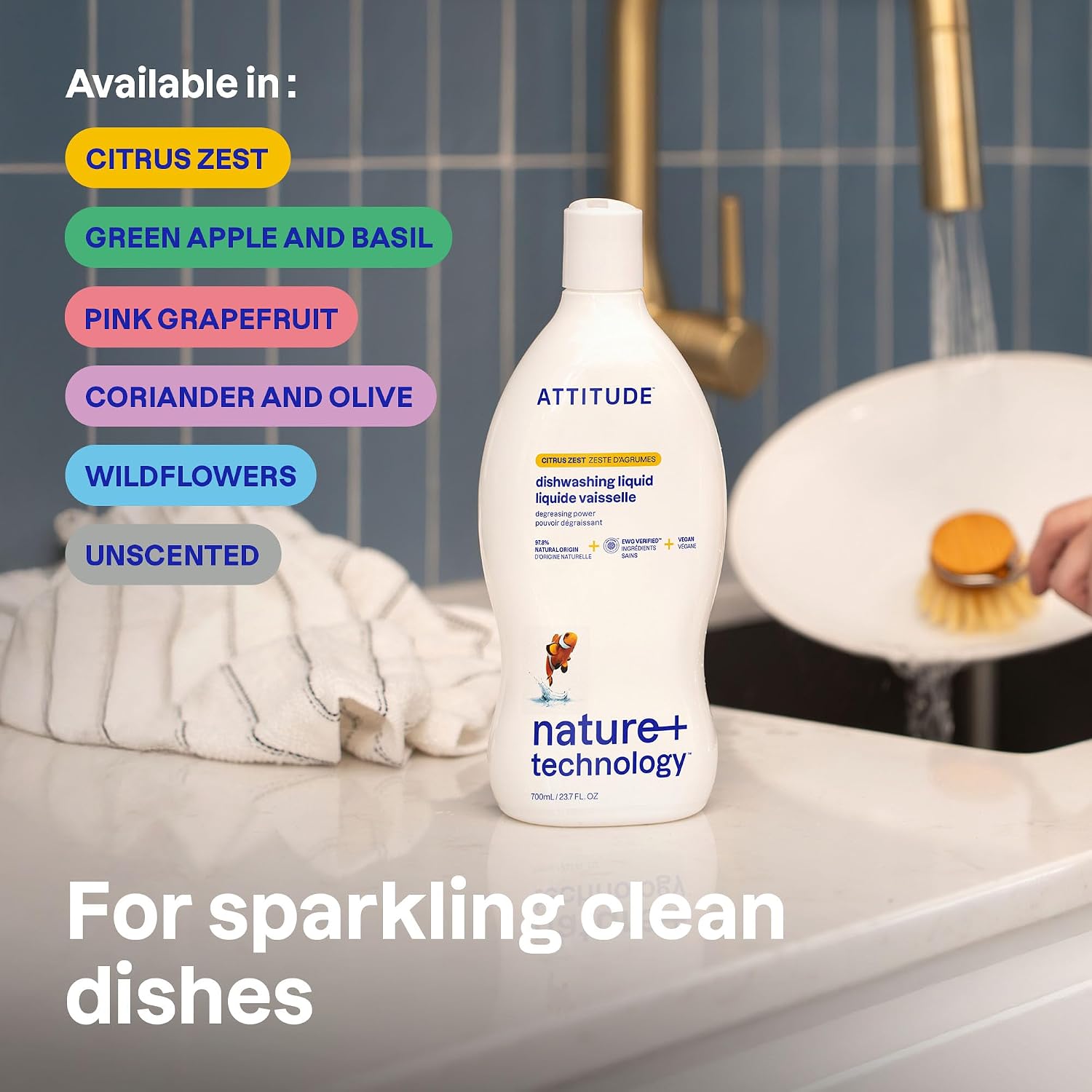
| EDITOR'S PICKSeventh Generation Dish Liquid… | Mid-tierGinger Lily Farms Botanicals Pl… | Budget pickATTITUDE Dish Soap | |
|---|---|---|---|
| Volume | 19 fl oz each | 128 fl oz | 23.7 fl oz |
| Pack count | 6 | 1 | 1 |
| Scent | Free & Clear | Fragrance-free | Citrus Zest |
| EWG Verified | — | — | ✓ |
| Concentrated | — | ✓ | — |
| Price | $21.18 | $19.99 | $7.19 |
| See on Amazon → | See on Amazon → | See on Amazon → |
Format Fundamentals: What You’re Actually Comparing
Before you pick a product, you need to understand what makes each format behave differently — because the failure modes are format-specific, not brand-specific.
Solid Dish Soap Bars
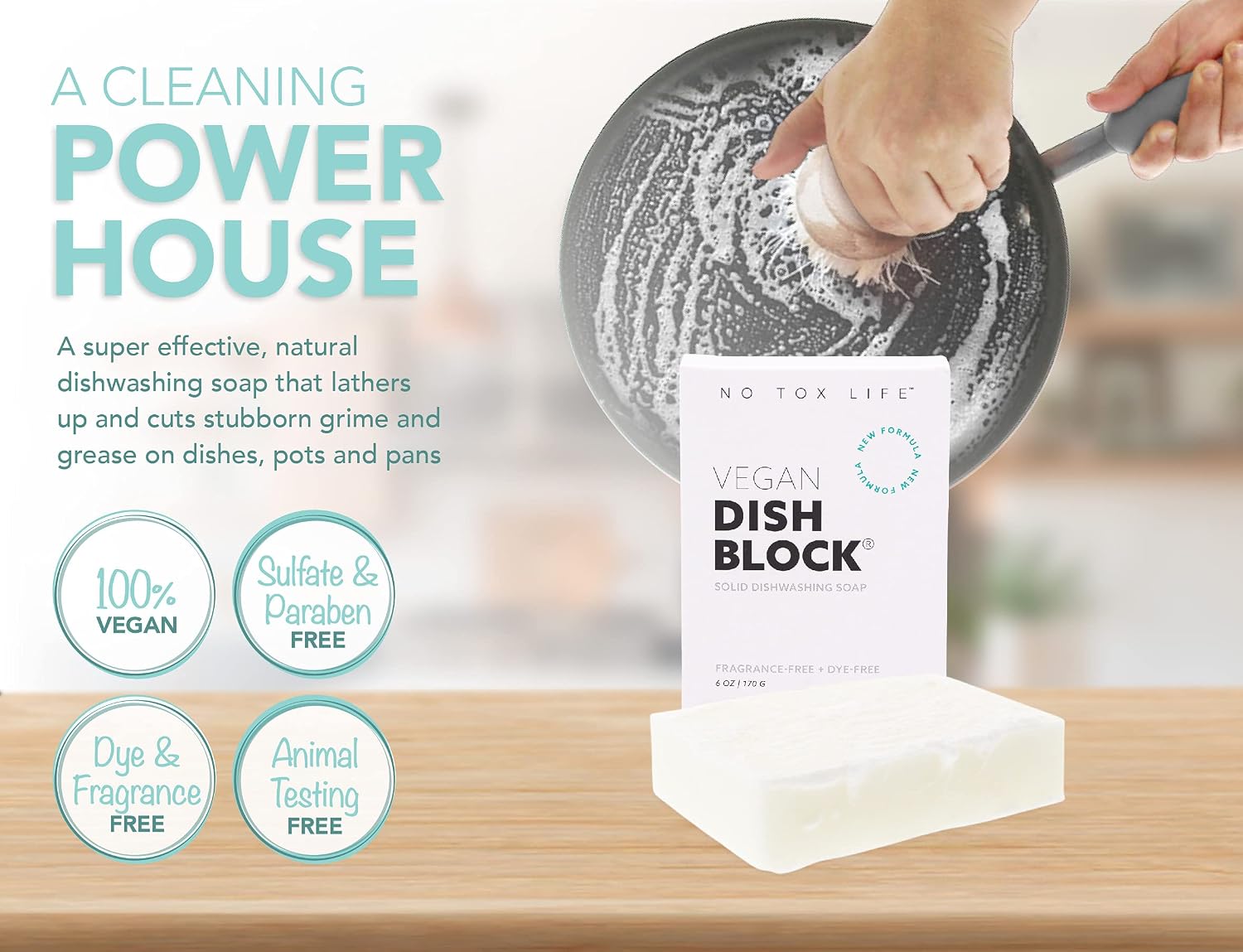
Solid bars (like the No Tox Life Dish Block) are concentrated surfactant pressed into a block. You activate them by rubbing a wet cloth or sponge across the surface. The key phrase there is cloth or sponge — owners consistently report that technique matters significantly. The most dramatic longevity claims in aggregated reviews — including accounts of a single bar lasting close to two full years of daily hand-washing for one to two people — come specifically from users who switched from scrub brushes to dish cloths. Brushes chew through the bar surface faster; cloths load up a thin film of soap and spread it efficiently. If you’re evaluating this format for a residential cleaning client or your own household, that’s the single most important operational note.
ATTITUDE
$7.19
In stock on Amazon
Check price on AmazonDishwasher Tablets
Eco-format dishwasher tablets (Blueland being the clearest current example in the zero-waste segment) are a different animal entirely. These are pre-measured doses designed for machine washing, not hand-washing. The zero-waste angle is packaging: tablets ship in small compostable or recyclable envelopes, eliminating the plastic jugs that gel-pod formats require. Reviewers across aggregated sources consistently flag two surprises when switching to this format: dishes come out clean on the Normal cycle when they expected to need Heavy, and there is no detectable scent or taste left on dishes or glassware afterward — which reviewers describe as an unexpected positive, particularly for glass. Good Housekeeping Institute’s 2025 dish soap and dishwasher testing notes that eco-format tablets generally perform closer to conventional tablets in soft-water areas, with spotting being the more common gap in hard-water markets.
Ginger
$19.99
In stock on Amazon
Check price on AmazonPlant-Based Liquids
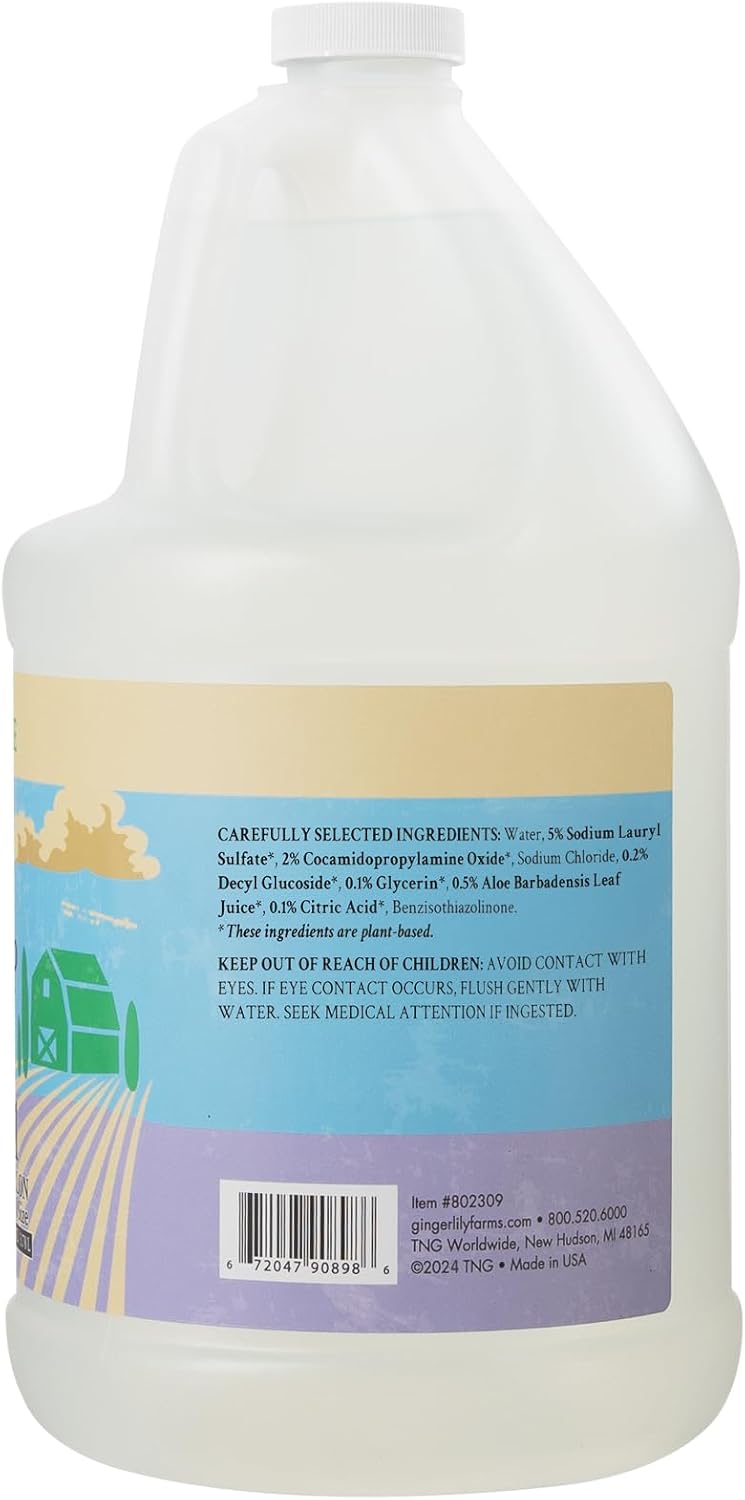
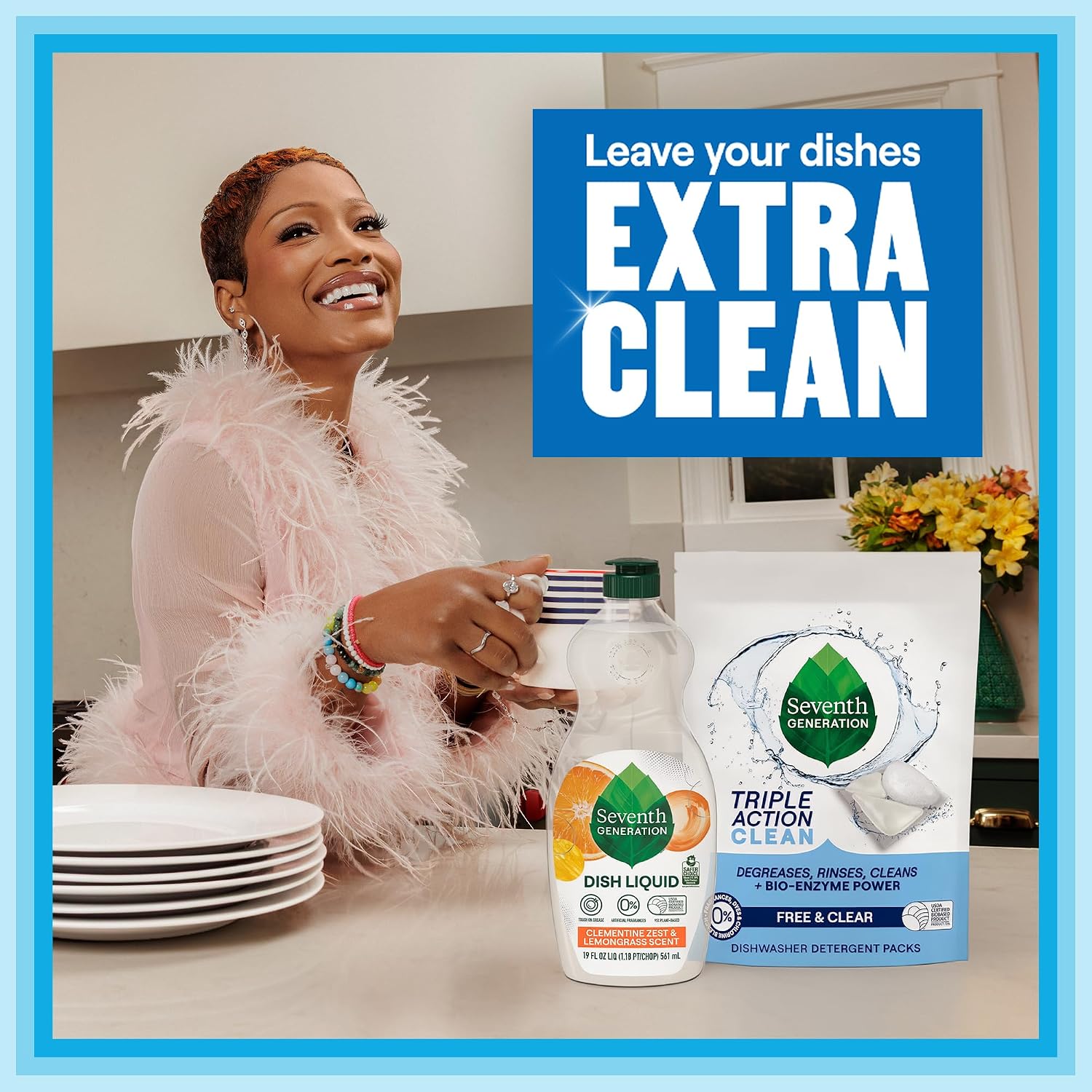
Plant-based liquids (Seventh Generation Free & Clear, Ginger Lily Farms in gallon format) are the most familiar format but the most variable in concentration. The sustainability gains here come from plant-derived surfactants replacing petroleum-derived ones, fragrance-free formulation, and — in gallon or bulk formats — reducing per-ounce plastic footprint. Seventh Generation Free & Clear has a notably concentrated reviewer base of buyers with sensitive skin, eczema, or infants. That’s not accidental: the fragrance-free, dye-free positioning is doing real work for a specific audience. The EPA Safer Choice program — whose Safer Choice Standard document outlines the full ingredient criteria that certified products must meet — provides regulatory grounding for these claims rather than just marketing copy. Seventh Generation Free & Clear appears on the EPA Safer Choice certified products list, which is publicly searchable on the EPA’s website.
Seventh
$21.18
In stock on Amazon
Check price on AmazonCost-Per-Use Math: Where the Formats Actually Stand
This is where format choice stops being philosophical and becomes financial. Here’s a rough comparison based on published specs and aggregated owner reports — not lab-verified numbers, but representative of real-world use patterns for a one-to-two person household doing daily hand-washing or running a dishwasher regularly.
Solid Bar Cost Breakdown
The No Tox Life Dish Block retails in approximately the $10–$14 range per bar. With proper technique — dish cloth instead of scrub brush, dry storage between uses, thorough rinsing — owner-reported lifespan ranges from roughly six months to close to two years. At the conservative end, that works out to under $0.06 per day. At the optimistic end, the per-day cost drops below $0.02. The bar format wins on packaging waste by a significant margin over any liquid format regardless of container size.
ATTITUDE
$7.19
In stock on Amazon
Check price on AmazonTablet Cost Breakdown
A 45-pack of Blueland dishwasher tablets retails in the $22–$25 range, putting per-load cost between $0.49 and $0.56. That is not directly comparable to hand-washing costs — these are machine loads, a different use case — but the per-load cost is competitive with conventional gel-pod formats while eliminating the plastic pod entirely. For households that already run a dishwasher, the comparison point is conventional tablets and gel pods, not hand-wash liquids.
Ginger
$19.99
In stock on Amazon
Check price on AmazonLiquid Cost Breakdown
Seventh Generation Free & Clear in a 25-ounce bottle retails between $5 and $8 and delivers approximately 200–300 hand-wash uses at typical squeeze volumes, putting per-use cost in the $0.02–$0.04 range. The Ginger Lily Farms gallon format ($25–$35 per gallon) extends to 800–1,200 or more uses when diluted per label guidance, arriving at a similar or lower per-use cost with a dramatically reduced plastic footprint per wash. Ginger Lily Farms gallon buyers show a notable behavioral pattern in reviews: a disproportionate share report repurposing the empty container rather than recycling it — a signal about buyer identity and environmental motivation that matters if you’re positioning bulk purchasing to cleaning clients.
Seventh
$21.18
In stock on Amazon
Check price on AmazonWhere Each Format Can Fail You
Honest format comparison means naming the failure modes before you’re mid-decision.
Solid Bar Failure Modes
Residue is the most persistent objection in No Tox Life Dish Block reviews. Some buyers report a film on dishes, particularly glassware. Owners who have resolved this consistently point to two causes: inadequate rinsing and wet bar storage. A bar sitting in standing water between uses degrades faster and can develop a slimy coating that transfers to dishes. Store the bar on a draining rack or wooden soap dish. This is a genuine ongoing buyer debate, and it’s worth presenting honestly: residue is a real risk if bar storage and rinsing technique aren’t dialed in, and it largely disappears when they are. Apartment Therapy’s 2025 eco-friendly dish soap roundup notes that bar format users report the steepest initial learning curve of the three formats, but also the highest satisfaction once technique is established.
ATTITUDE
$7.19
In stock on Amazon
Check price on AmazonTablet Failure Modes
Performance varies more by water hardness than most reviewers anticipate. In hard-water markets — common across much of the U.S. Midwest and Southwest — eco tablets can leave mineral spotting that conventional tablets with built-in rinse-aid chemistry are formulated to combat. Good Housekeeping Institute’s 2025 dishwasher testing notes that this gap narrows considerably in soft-water areas and can be addressed in hard-water situations by pairing eco tablets with a separate rinse aid. Blueland tablets work across dishwasher brands and models in standard tablet-slot configurations; no brand-specific compatibility issues have surfaced in aggregated owner reviews.
Ginger
$19.99
In stock on Amazon
Check price on AmazonPlant-Based Liquid Failure Modes
The most common buyer concern is degreasing power on cast iron or heavily soiled pans. The honest answer from aggregated reviews: plant-based surfactants handle everyday grease effectively, but on a pan with baked-on residue or carbonized oil, surfactant concentration matters more than the plant-versus-petroleum distinction. Seventh Generation and Ginger Lily Farms reviewers report satisfactory performance on moderate grease loads. For heavy carbonization, pre-soaking is the method that closes the performance gap — not a different formula. Apartment Therapy’s 2025 eco dish soap roundup specifically notes that fragrance-free formulas carry no detectable odor on dishes once rinsed and dry, addressing a common concern that unscented means odor-producing.
Seventh
$21.18
In stock on Amazon
Check price on AmazonThe Decision Frame: If X, Then Y
You have enough information now to match format to situation. Here’s the condensed logic:
If you hand-wash daily for one or two people and want the lowest long-term cost and plastic footprint: The No Tox Life Dish Block is worth the learning curve. Commit to a dish cloth over a scrub brush, store the bar dry between uses, rinse dishes thoroughly, and the longevity claims in owner reviews become plausible. If residue shows up, it’s technique, not the product.
If you run a dishwasher and want to eliminate plastic pod packaging: Eco-format tablets are the clearest current option in this segment. Expect the Normal cycle to be sufficient for most loads; add a rinse aid if you’re in a hard-water area. Good Housekeeping Institute’s 2025 testing supports Normal-cycle adequacy for typical household loads.
If fragrance sensitivity, eczema, or infant bottle washing is the primary driver: Seventh Generation Free & Clear — listed on the EPA Safer Choice certified products list and formulated without fragrance, dyes, or chlorine bleach — is where to start. The buyer segment leaving reviews skews heavily toward exactly this use case, and the EPA Safer Choice Standard provides the regulatory framework that makes the certification meaningful.
If you’re running a small cleaning operation and evaluating bulk purchasing: The Ginger Lily Farms gallon format is worth the math. At $25–$35 per gallon with a dilution ratio that extends per-use cost well below retail liquid formats, it serves high-volume residential accounts where sustainability positioning matters to clients.
If you’re still not sure which format is right: Start with a plant-based liquid in a format you already know how to use. The cost difference between formats is small enough at household scale that starting familiar and adjusting from there is more practical than committing to a bar or tablet format before you’ve tested your own workflow.
Frequently Asked Questions
How do you actually use a dish soap bar? The most effective technique reported by owners is rubbing a wet dish cloth directly across the bar surface to load a thin film of soap, then using the cloth to wash dishes. Dipping a wet sponge across the bar also works. Scrub brushes are harder on the bar surface and reduce longevity significantly — the cloth method is specifically what owners credit for the most extreme longevity results.
How long does one No Tox Life Dish Block last with daily hand-washing for one or two people? Published reviews range from roughly six months to close to two years, with technique being the primary variable. Cloth use, dry storage between washes, and thorough rinsing all extend bar life. Treat six months as a conservative baseline and approach two years as an optimistic ceiling dependent on consistent technique.
Do Blueland dishwasher tablets work in all dishwasher brands? Based on aggregated owner reviews, no brand-specific compatibility issues have been widely reported. Standard tablet-slot dishwashers handle them without modification. In hard-water areas, pairing with a separate rinse aid is the common workaround for spotting, as noted in Good Housekeeping Institute’s 2025 dishwasher testing.
Is Seventh Generation dish soap genuinely safe for washing infant bottles? Seventh Generation Free & Clear appears on the EPA Safer Choice certified products list. The formula is fragrance-free, dye-free, and formulated without chlorine bleach. The EPA Safer Choice Standard document outlines the ingredient safety criteria the certification requires. Reviewers with infants consistently select it specifically for bottle washing.
Can plant-based dish soaps handle greasy pans the way conventional formulas do? For everyday grease loads — weeknight cooking, moderate oil residue — owners report plant-based formulas perform adequately. For heavily carbonized or baked-on residue, pre-soaking closes the performance gap regardless of formula. For cast iron specifically, most dish soap guidance recommends minimal soap and immediate drying regardless of formula type, making the plant-versus-conventional distinction less relevant than general cast-iron technique.
Does a fragrance-free dish soap leave any smell on dishes after washing? No. Fragrance-free means no added scent compounds — it does not mean the soap imparts a soapy smell to dishes. Owners consistently report that dishes washed with fragrance-free formulas carry no detectable odor once rinsed and dried. Apartment Therapy’s 2025 eco dish soap roundup specifically notes this as a positive finding for scent-sensitive households.