Cleaning Chemistry · 13 articles
Cleaning Chemistry
Concentrates, disinfectants, eco-certified formulas, and tablet refills — decoded. We cross-reference EPA records, dilution charts, and what owners actually report after extended use, so the cost-per-use math and the ingredient trade-offs are both out in the open.
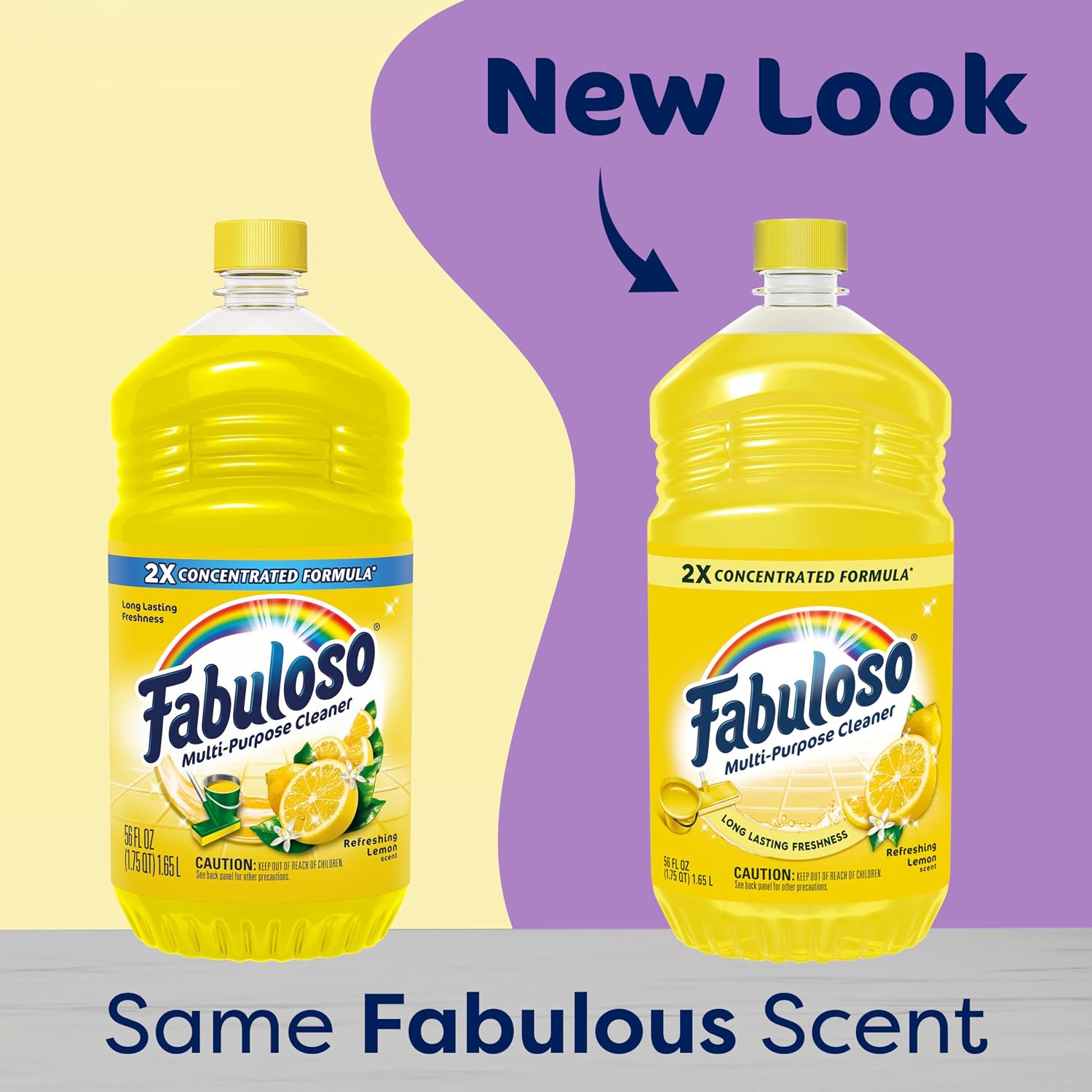
Fabuloso vs. Mr. Clean vs. Pine-Sol: Scent Longevity and Surface Results Compared
Three of the most popular household cleaners — Fabuloso, Mr. Clean, and Pine-Sol — each have a loyal following for different reasons. Here's what the spec
Read the guide → Scent-Driven Cleaners vs. Cleaning-First Formulas: What Fabuloso, Pine-Sol, and OdoBan Owners Actually Value
Fabuloso, Pine-Sol, and OdoBan all smell distinct and all clean surfaces — but owners buy them for completely different reasons. Here's how to match the
Read the guide →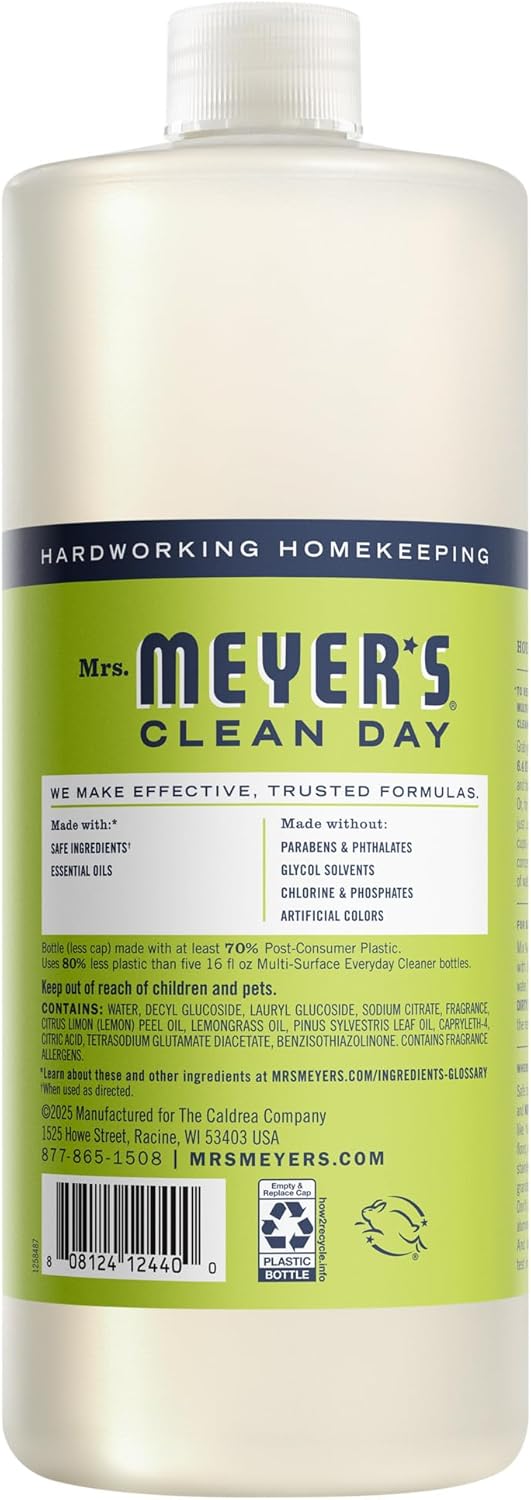
Scent-First vs. Clean-First: How to Choose a Multi-Surface Concentrate That Does Both
Not every cleaner that smells great actually cleans great — and vice versa. Here's how to read past the marketing and find a multi-surface concentrate that
Read the guide →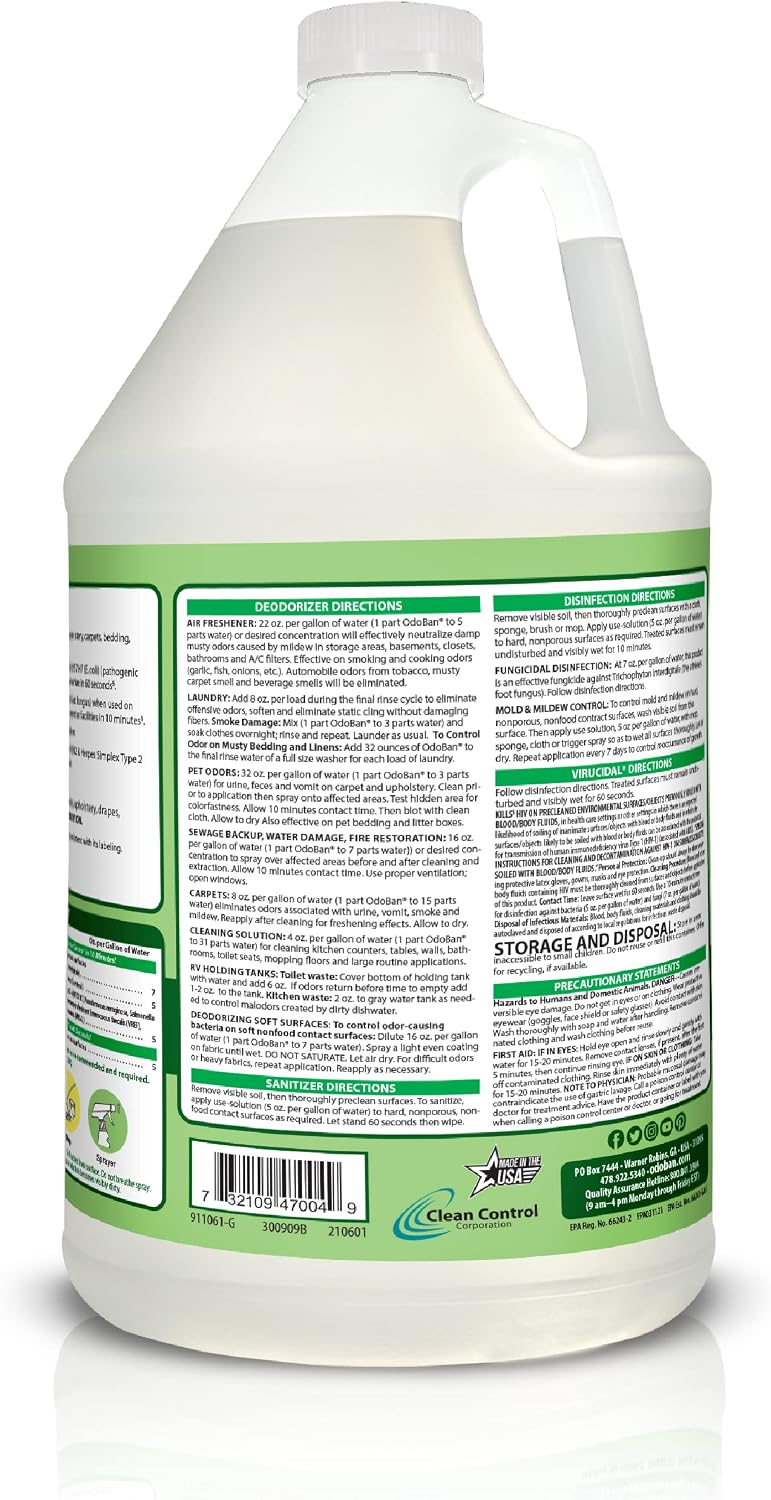
OdoBan vs. Zep vs. Blueland: When Disinfection Claims Actually Matter and When They Don't
Not every cleaning product needs to kill germs — but when it does, the EPA registration number is what separates a real disinfectant from a good-smelling
Read the guide →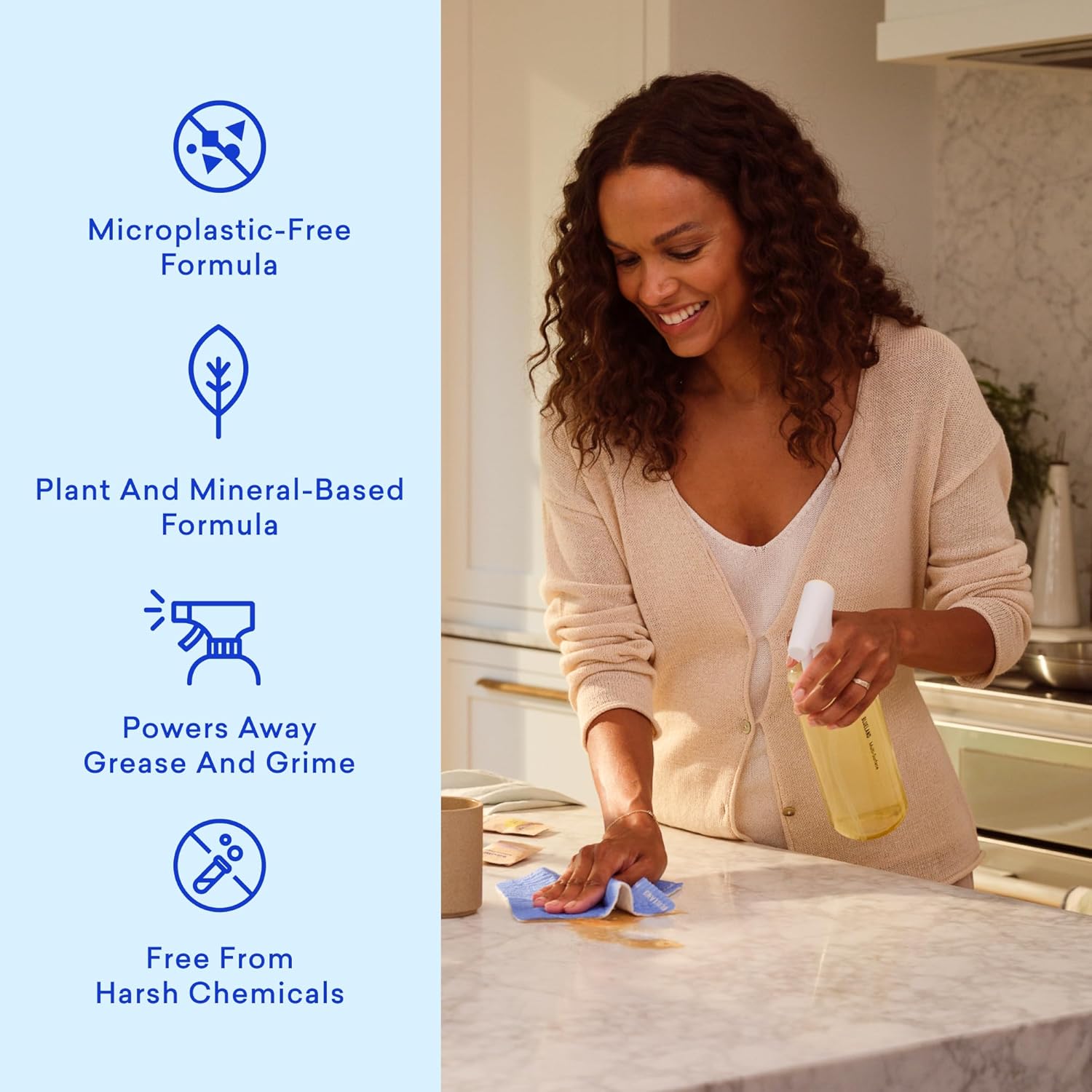
Cleaning Tablets and Refill Pods: Auditing the Eco Claims Before You Subscribe
Concentrated cleaning tablets and refill pods promise less plastic and lower cost-per-use — but which eco claims are third-party verified and which are
Read the guide →
Eco Dish Soap Refills and Concentrates: Cutting Plastic Without Cutting Corners
Switching to concentrated or refillable dish soap can slash plastic waste and cut your cost per wash — but only if you buy the right formula and dilute it
Read the guide →
Eco Dish Soaps for Sensitive Skin: A Fragrance-Free and Plant-Based Buyers' Comparison
Not all 'natural' dish soaps are created equal. This comparison breaks down the real differences between fragrance-free and plant-based formulas for sensitive
Read the guide →
Simple Green vs. Zep: An Independent Operator's Guide to Industrial Concentrate Chemistry
Choosing between Simple Green and Zep industrial concentrates can make or break your cost-per-use math. Here's a straight comparison for operators scaling from
Read the guide →
Concentrate All-Purpose Cleaners: Real Cost-Per-Use Math Before You Buy
Concentrated cleaners promise big savings, but the math only works if you understand dilution ratios and true cost-per-use. Here's how to run the numbers
Read the guide → Mrs. Meyer's vs. Method vs. Seventh Generation: What the Certifications Actually Tell You
Three of the most popular eco-friendly cleaning brands sit on almost every store shelf — but their certifications, formulas, and real-world value differ more
Read the guide → Fabuloso, Mr. Clean, and Pine-Sol: Dilution Ratios and Disinfection Claims Compared
Three of the most-used multipurpose cleaners in America — but only one is EPA-registered to actually disinfect surfaces. Here's what the labels really mean
Read the guide →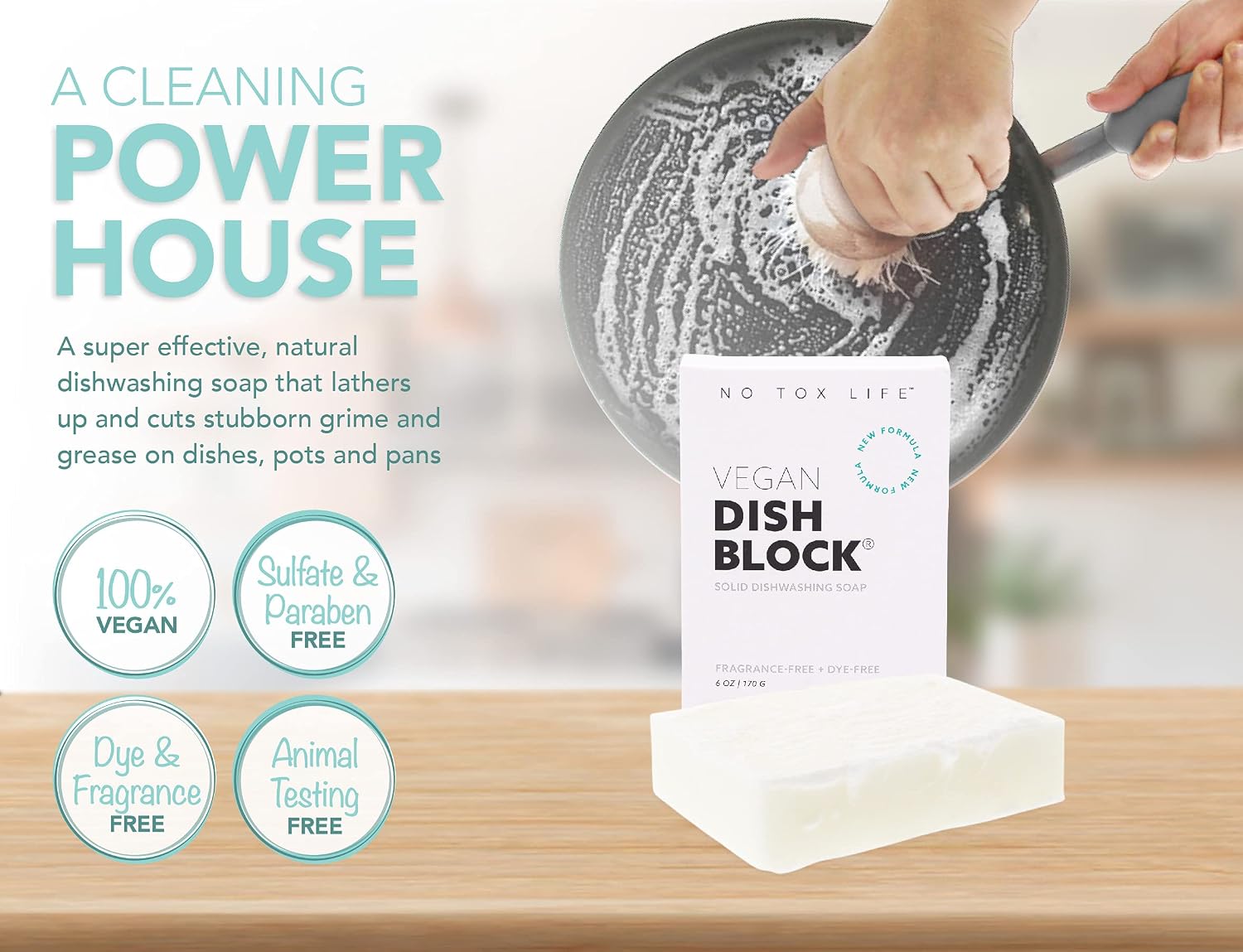
Solid Dish Soap Bars, Eco Tablets, and Plant-Based Liquids: Zero-Waste Dish Cleaning Without the Compromises
A practical comparison of solid dish soap bars, dishwasher tablets, and plant-based liquid soaps — covering real longevity data, cost-per-use math, and the
Read the guide → Eco All-Purpose Concentrates for Households with Kids and Pets: Mrs. Meyer's, Simple Green, Puracy, and Dr. Bronner's Tested by Real Owners
A clear-eyed comparison of four popular eco-friendly cleaning concentrates — Mrs. Meyer's, Simple Green, Puracy, and Dr. Bronner's Sal Suds — to help
Read the guide →